Range and Roost — hunting land in Louisiana and Mississippi.
The work is done. Yours to hunt.
Louisiana and Mississippi hunting land development.
What we do
Raw acreage to turnkey property.
Range and Roost buys quiet, unimproved land in south and central Louisiana and southwest Mississippi, then puts in the months of work between an empty woodlot and a hunting property that’s ready the day you take the keys. Trails cut. Stands sited. Feeders placed. Food plots planted to the right mix. By the time it changes hands, it’s fully ready to hunt.
Our work
Five moves between raw land and a hunt-ready tract.
01
Site selection
Tracts chosen for what they can become — soil, water, timber, ridge, bottom, and access. Aerial, topographic, and on-foot survey before the deed is signed. We look past how the land shows raw.
Most run 50 to 200 acres. That’s room for the game to bed and feed, and for multiple stand setups across different winds and conditions. A few hunters can be out at once without pressuring the property. The acreage stays manageable — easy to keep up year to year. Many qualify for favorable tax treatment as forestry investments.
Typical ground: the Feliciana parishes, St. Helena, East Baton Rouge, and Tangipahoa in Louisiana; Amite, Wilkinson, and Pike counties in Mississippi.
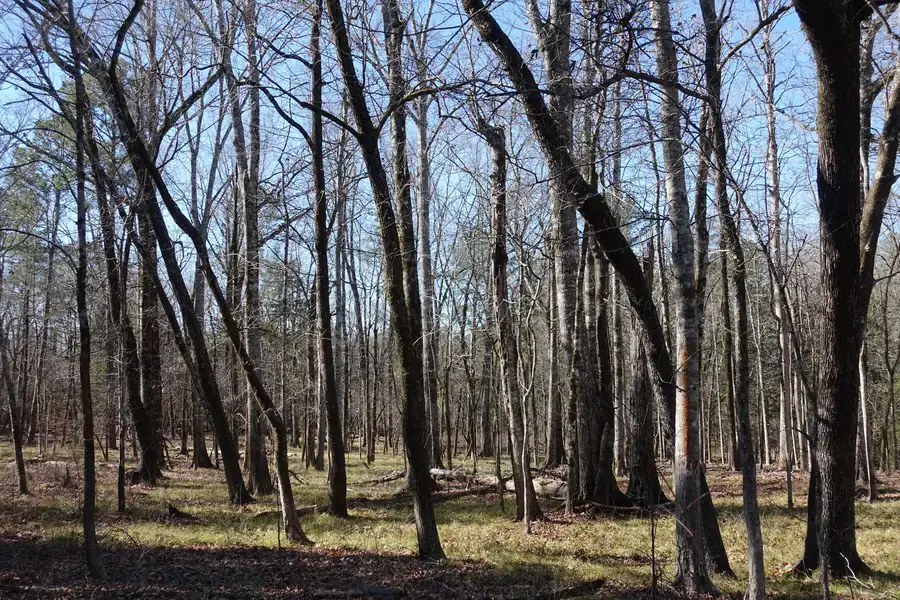
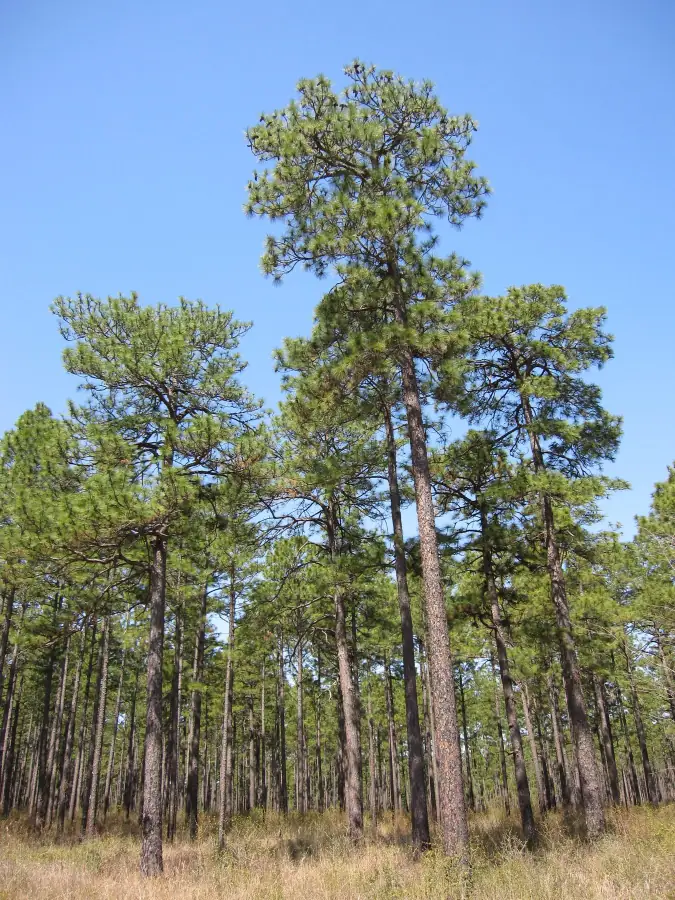
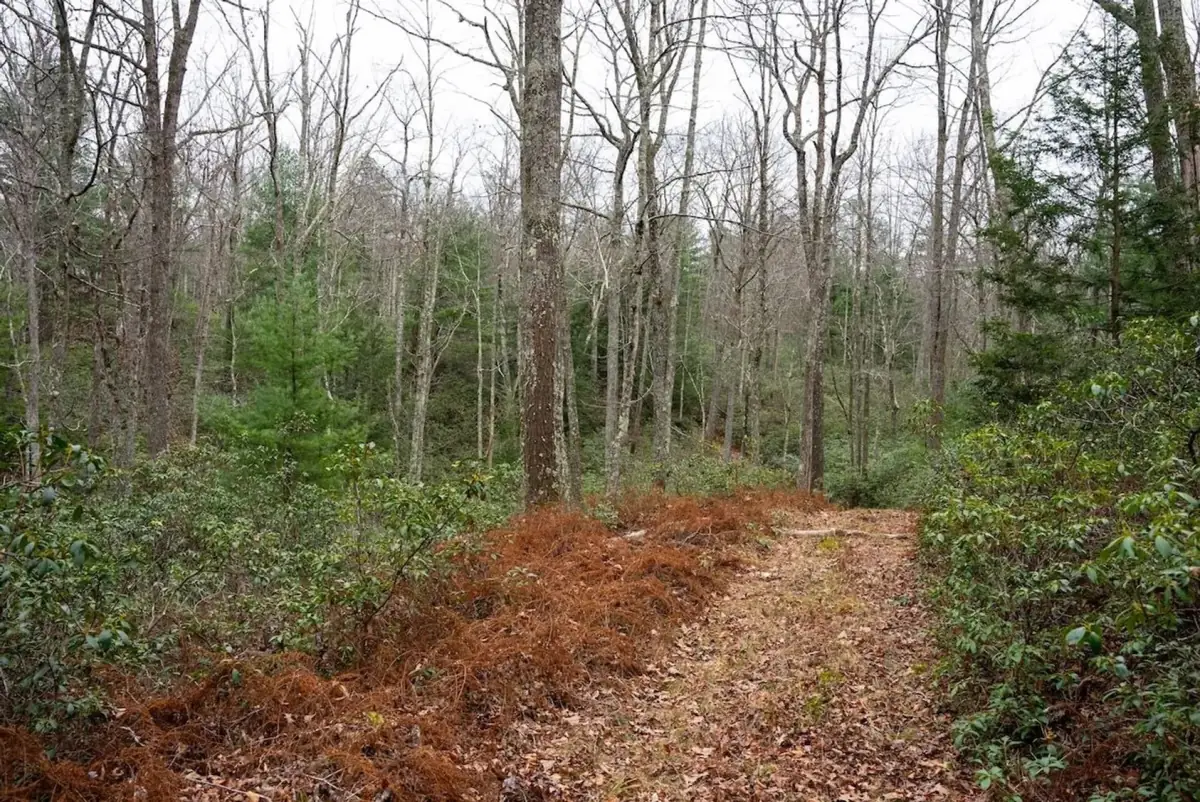
Hardwood bottom, raw — before any work.Pine upland ridge, the other end of a good tract.
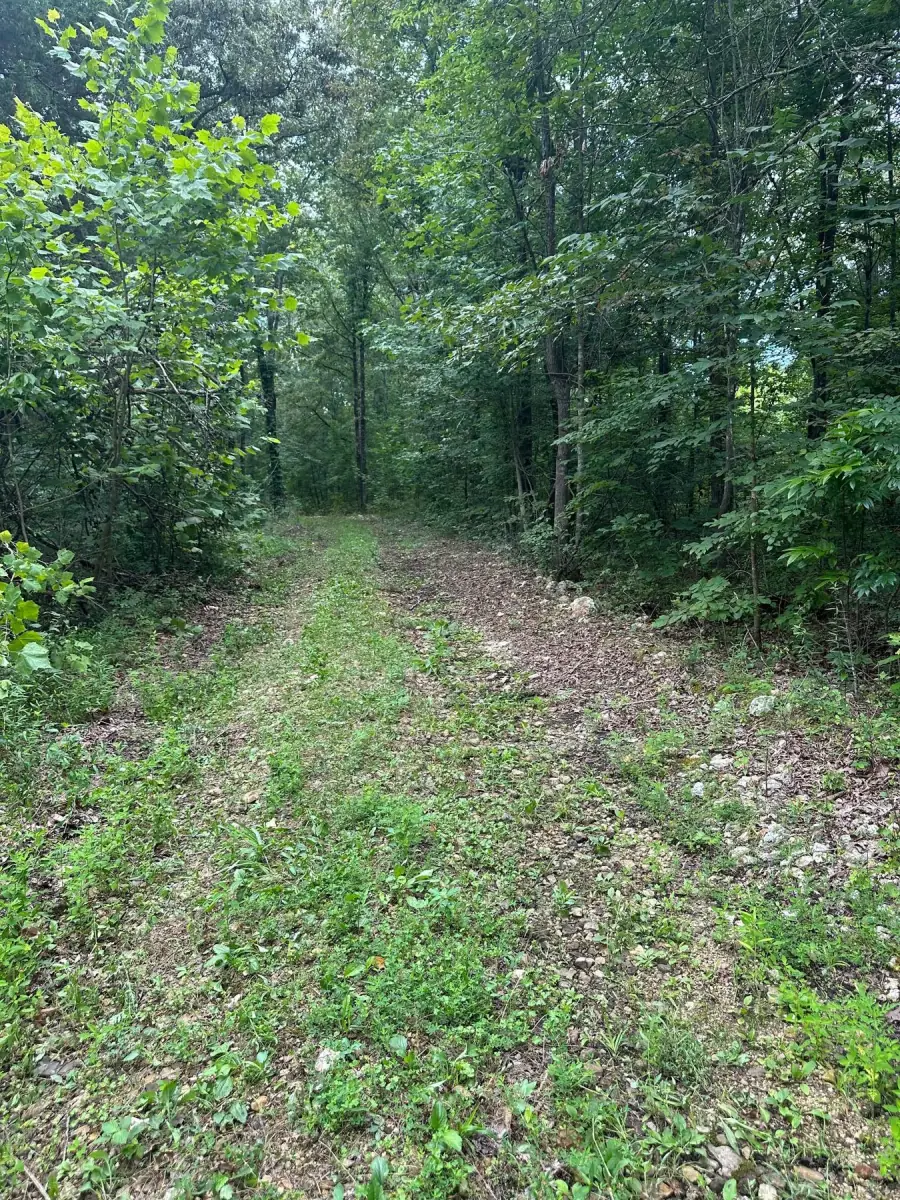
Summer — main trail through hardwood, kept open.Winter — the same trail in the season open.
02
Trail implementation
Cut and graded to reach every stand in any weather. Routed for wind, light, and a quiet approach to the right places — and laid out so a side-by-side gets through without scraping a tree.
03
Food plots & habitat
Cool-season clover and winter wheat blends — green forage through the months your native browse goes dormant. Edge habitat thinned. Mast-bearing oaks identified, marked, and protected.
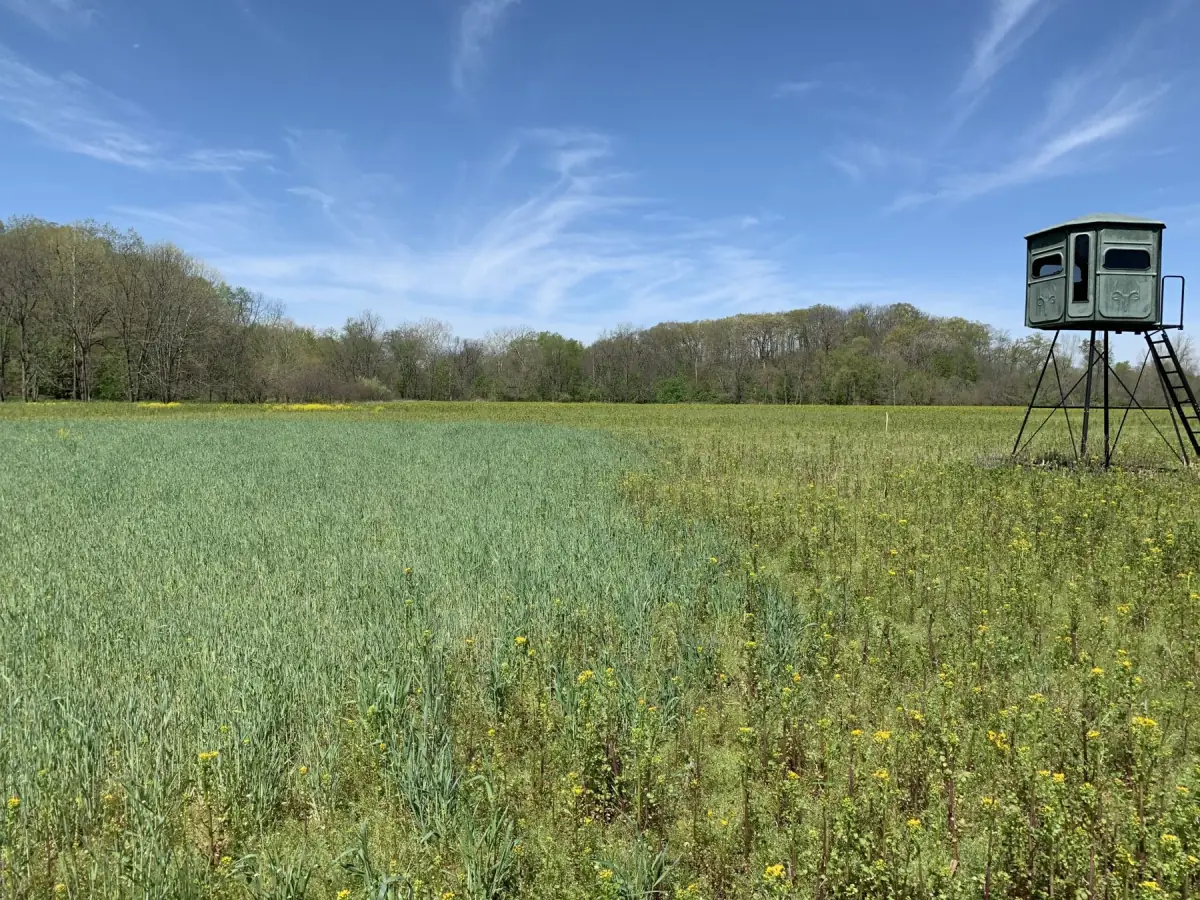
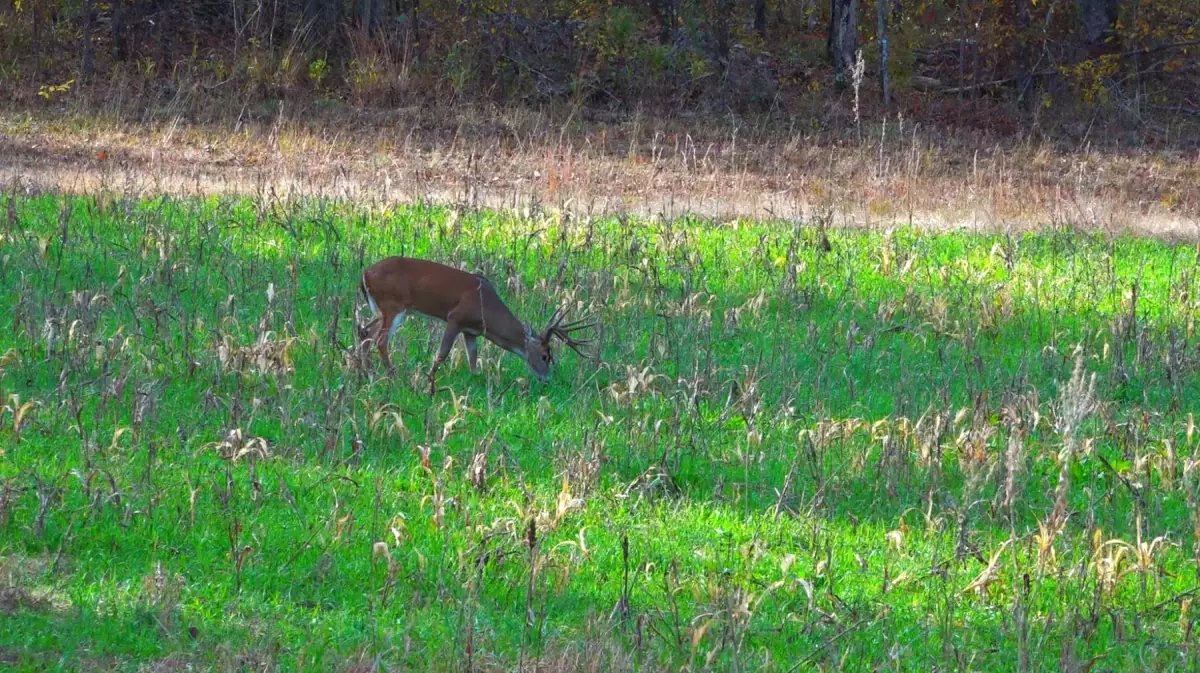
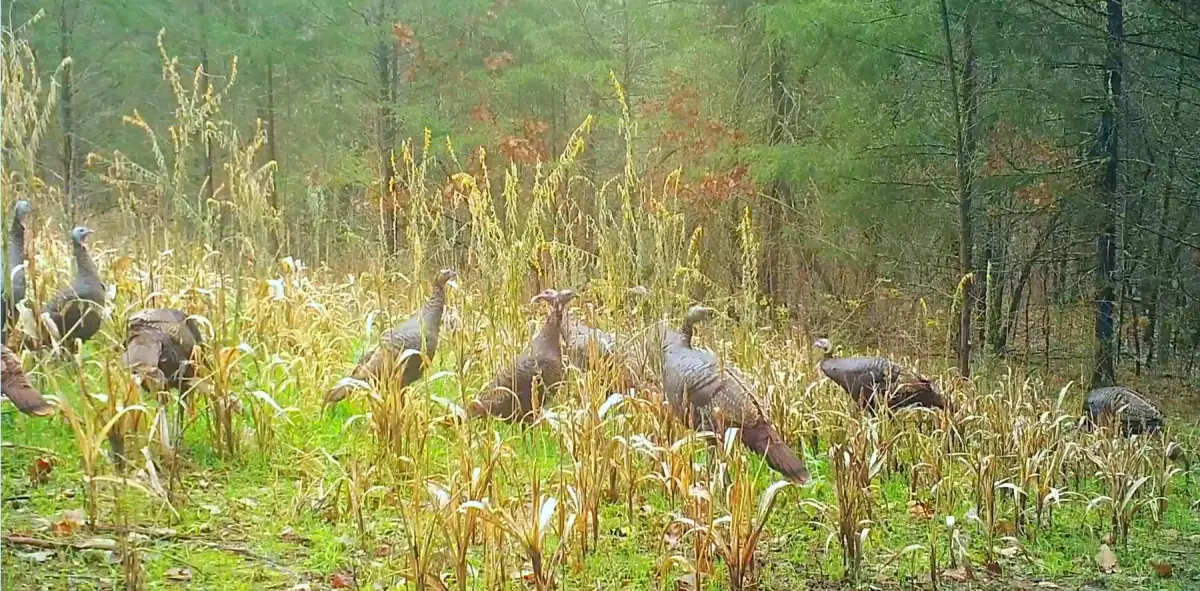
Plot and the stand it feeds — late spring growth.What the plot brings in — late afternoon.Spring brings the toms to the same ground.
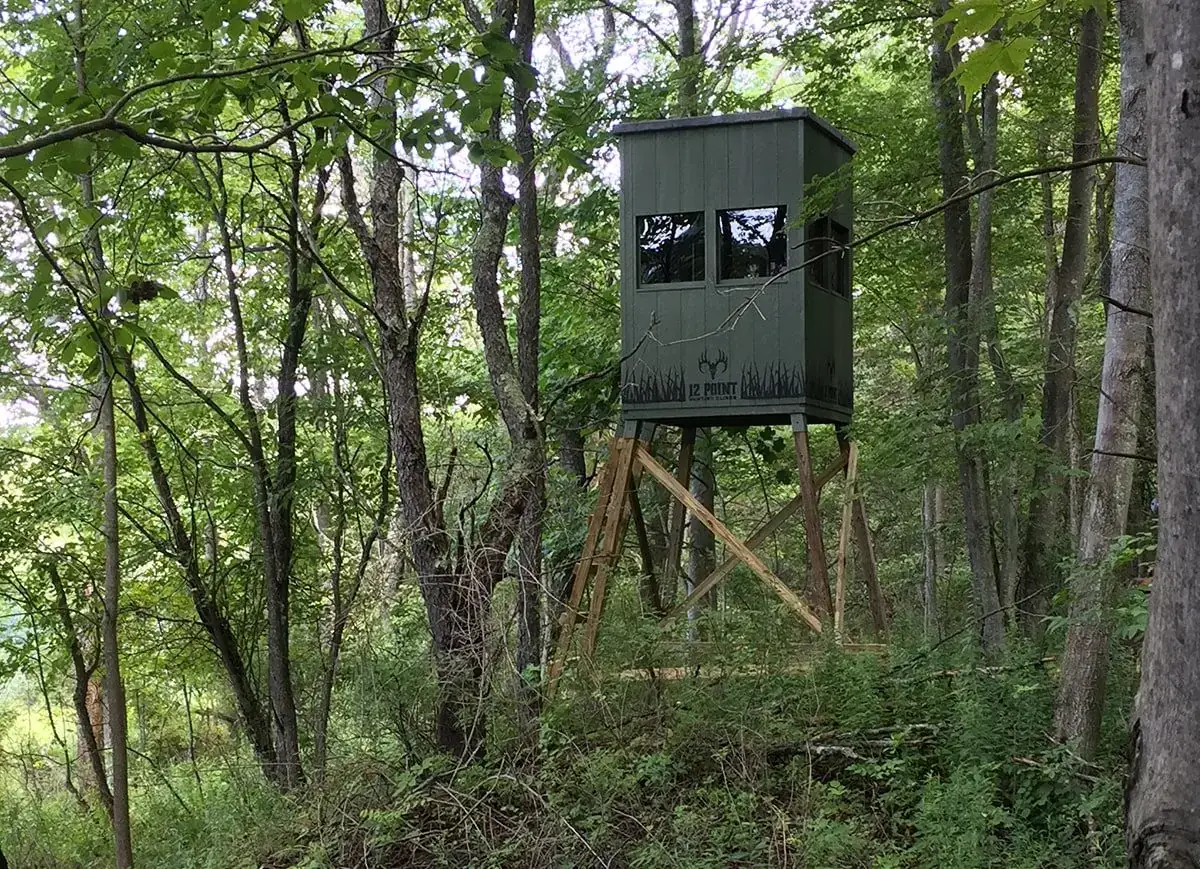
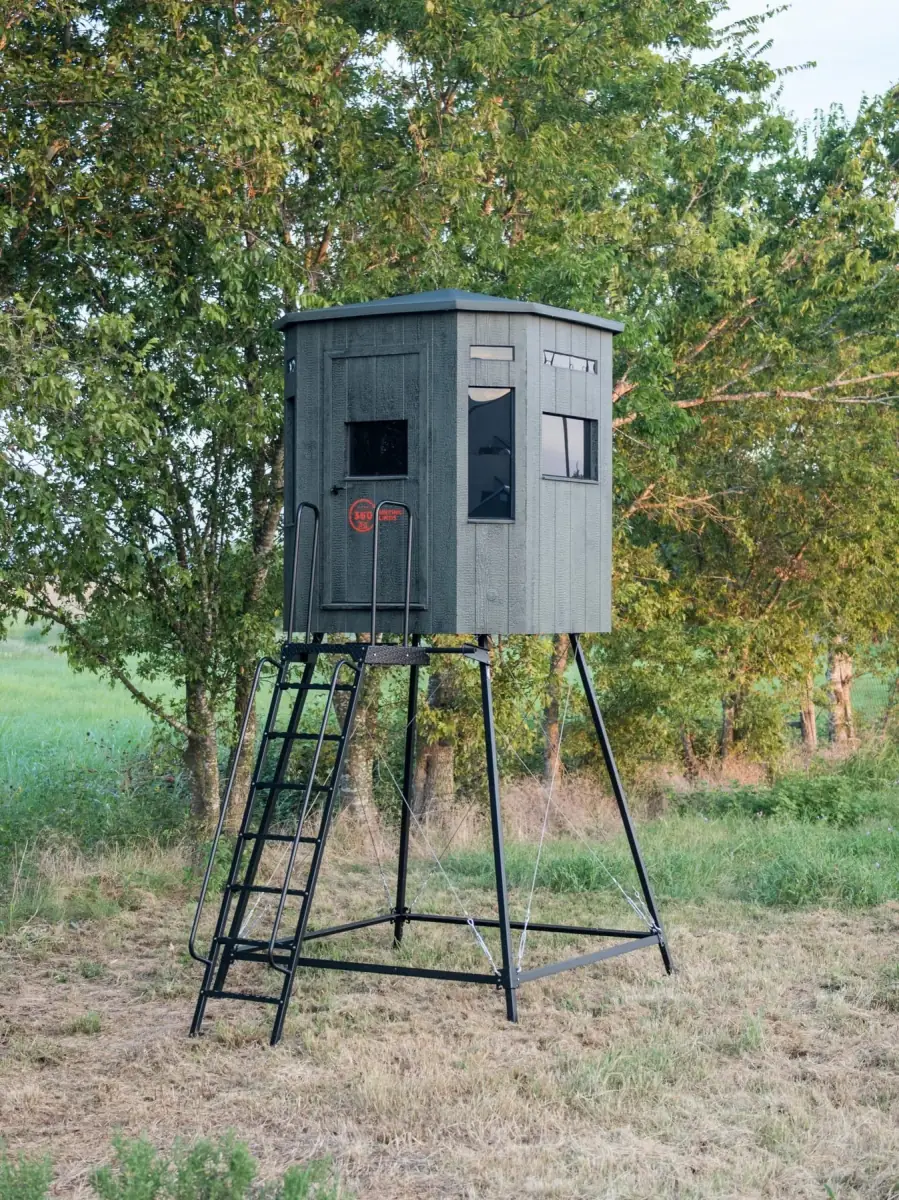
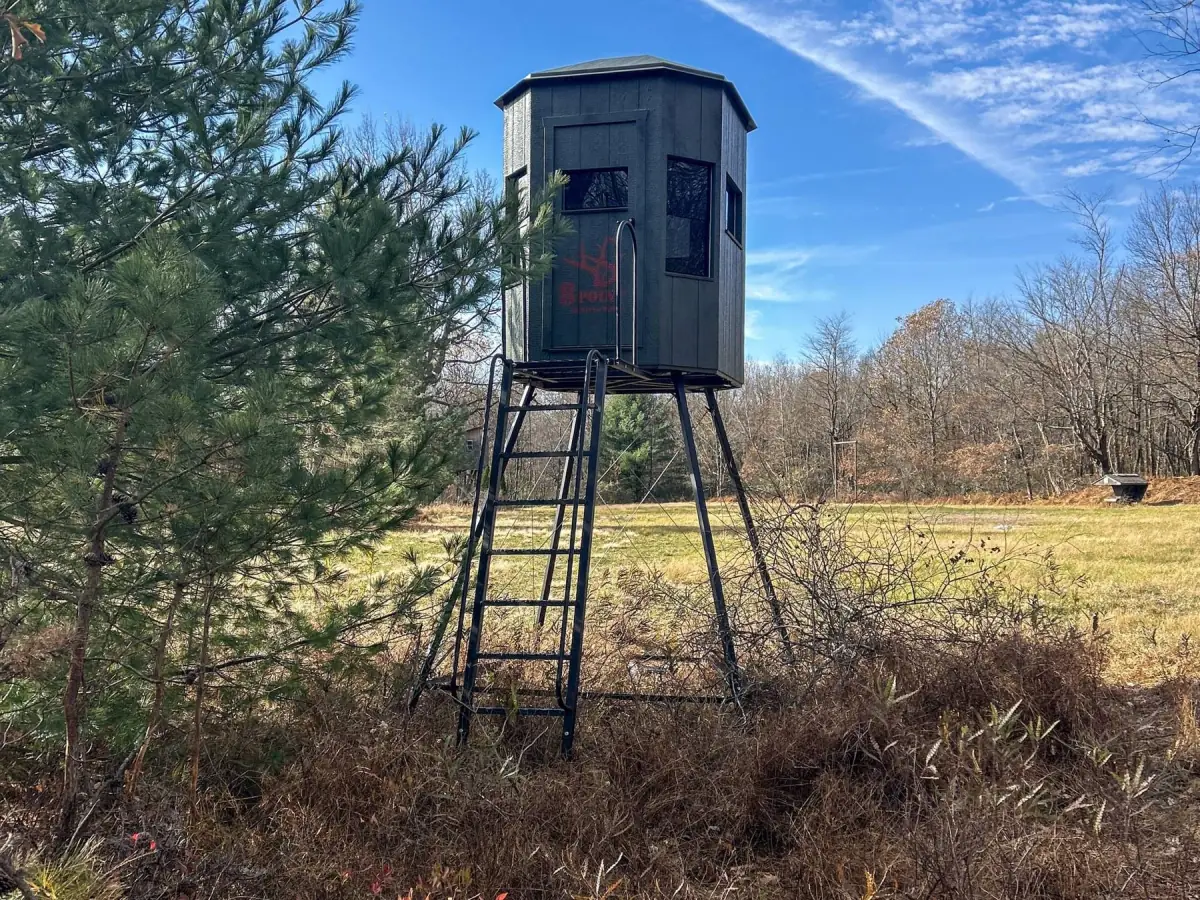
Hardwood-bottom stand, sited on the wind.Tripod blind at a field corner.Field-edge stand, set for last-light shots.
04
Stand & feeder placement
Insulated box blinds set on the lines deer actually walk — and on the corners birds actually use. Wind, light, range, and shot lane considered for every site. Feeders set to the season they’re feeding.
05
Survey & layout
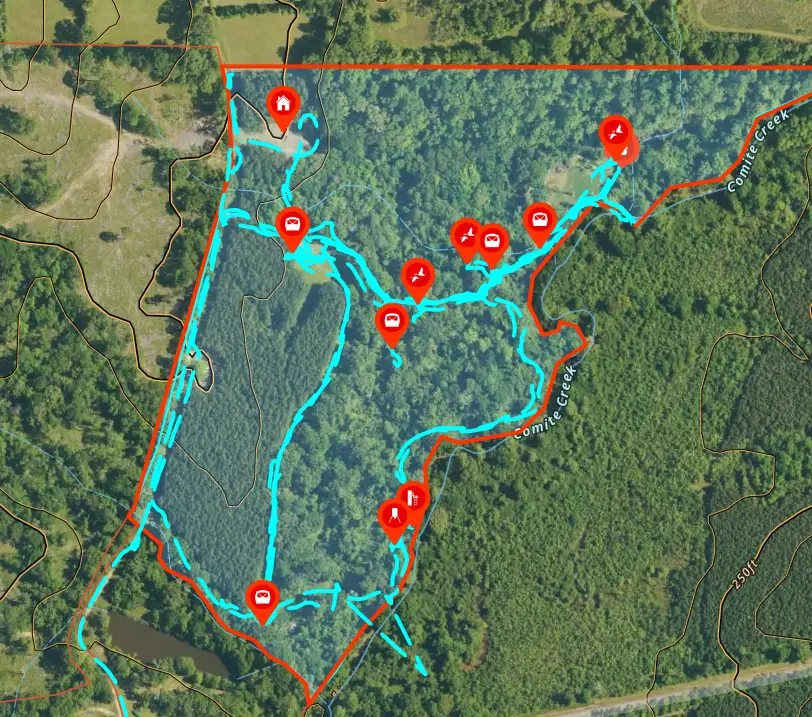
Every trail, stand, plot, feeder, and creek crossing walked, mapped in onX, and marked discreetly in the field.
On day one a new owner — or a guest who has never set foot on the ground — opens the app and knows the property: where everything is, how to reach it, and what to expect in the next section.
The property in onX — every feature labeled, handed off with the deed.
The land
Two great forests of the Gulf South.
Pine country
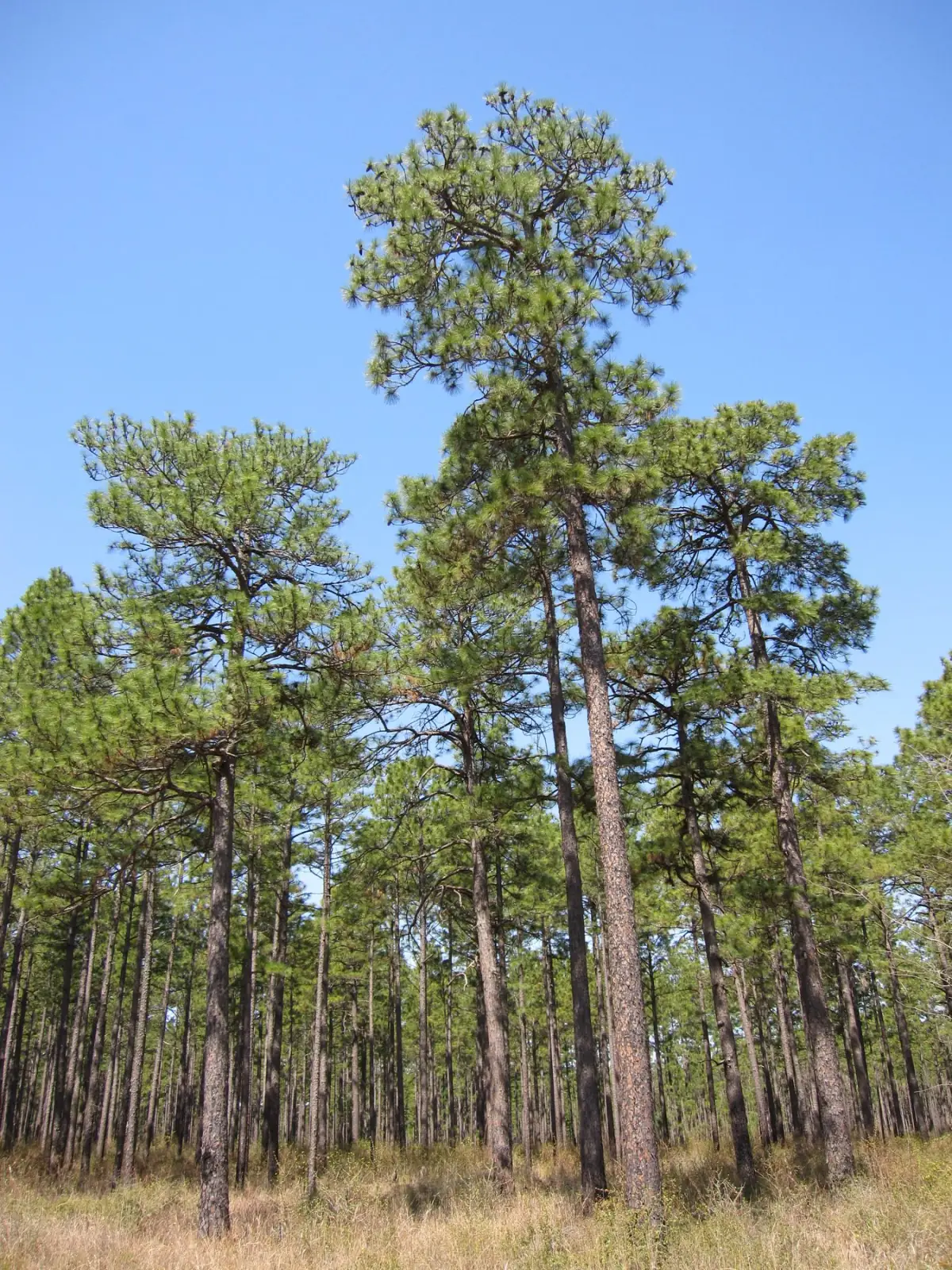
Loblolly and longleaf stands shape the upland tracts. Open enough to walk, thick enough to hold a buck. The understory is where the spring tom roosts and the autumn rut runs.
Hardwood bottoms
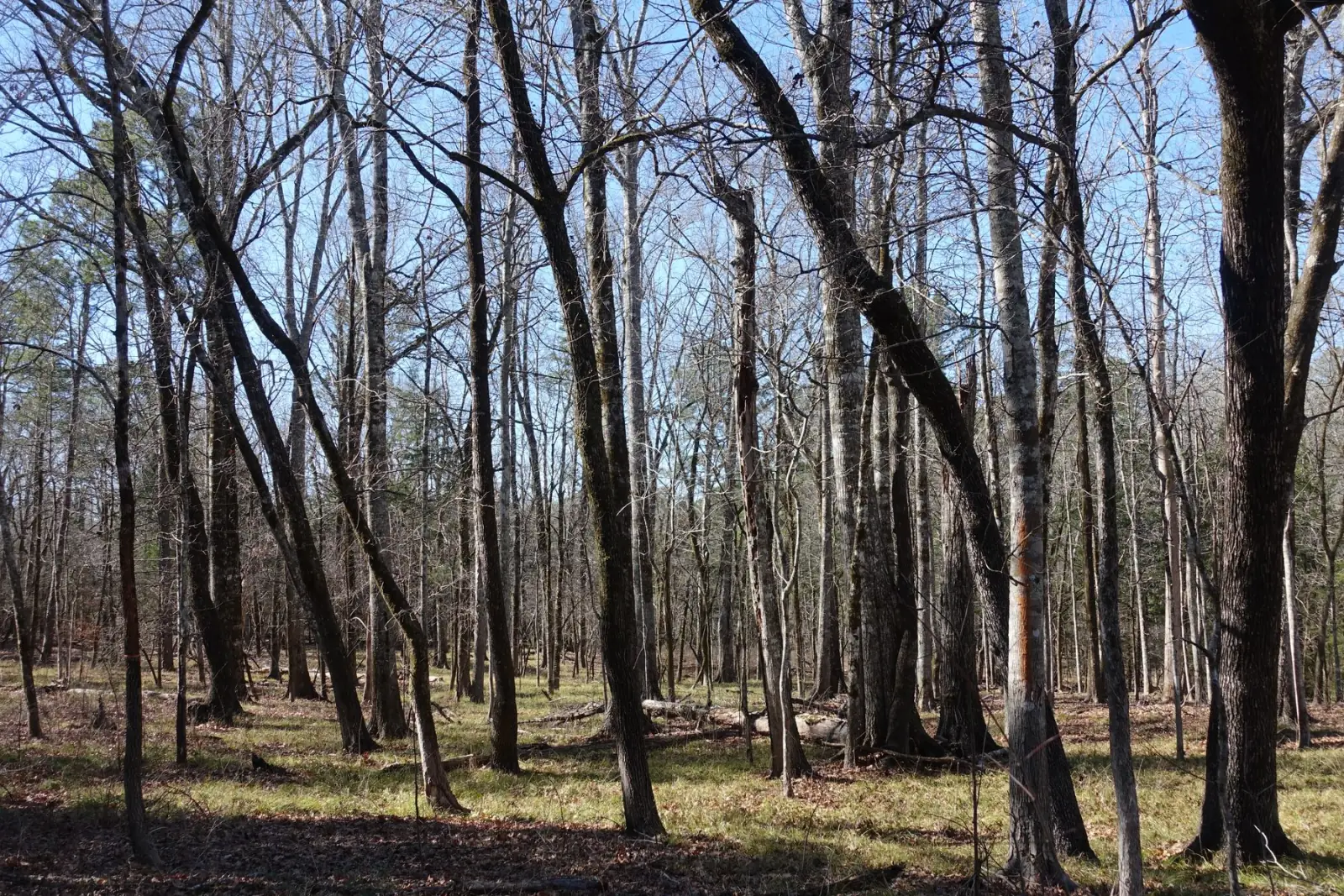
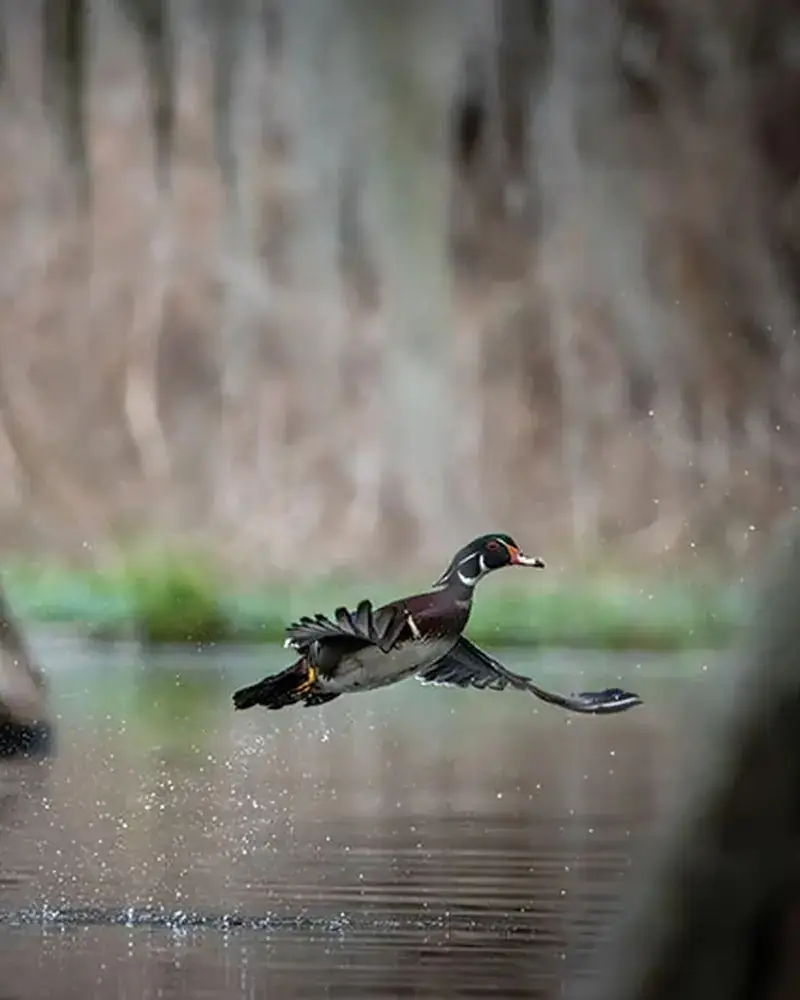
Oaks, hickories, sweetgum, and cypress along the creeks. The acorn drop sets the rut clock; the standing water in the timber is where the wood ducks come in at last light.
The game
Three seasons, one property.
Whitetail
November · January rut
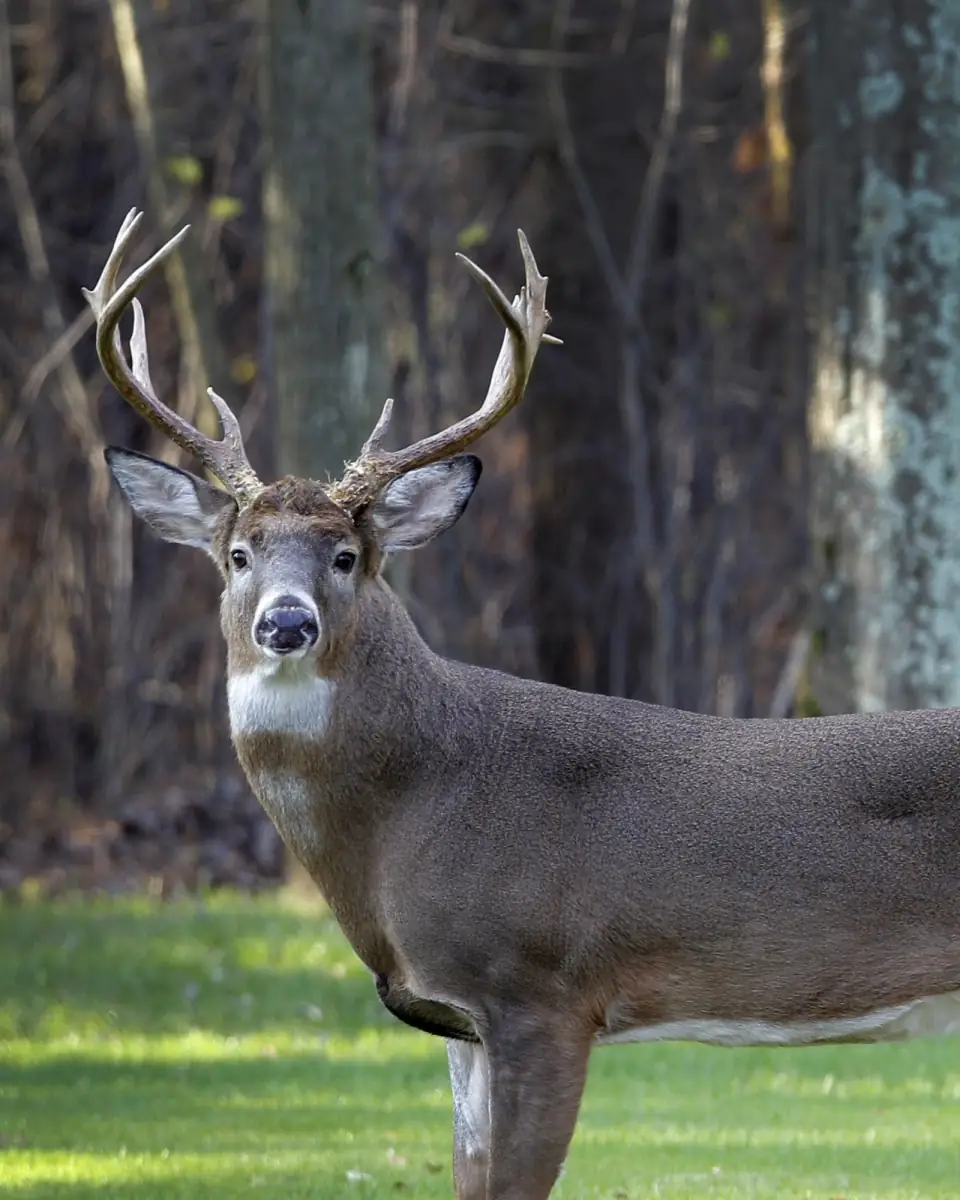
Gulf South bucks peak the second and third week of January. Tracts managed for age class — three-and-a-half-plus on the harvest list — and walked all year for sign.
Wild turkey
March · April · spring season
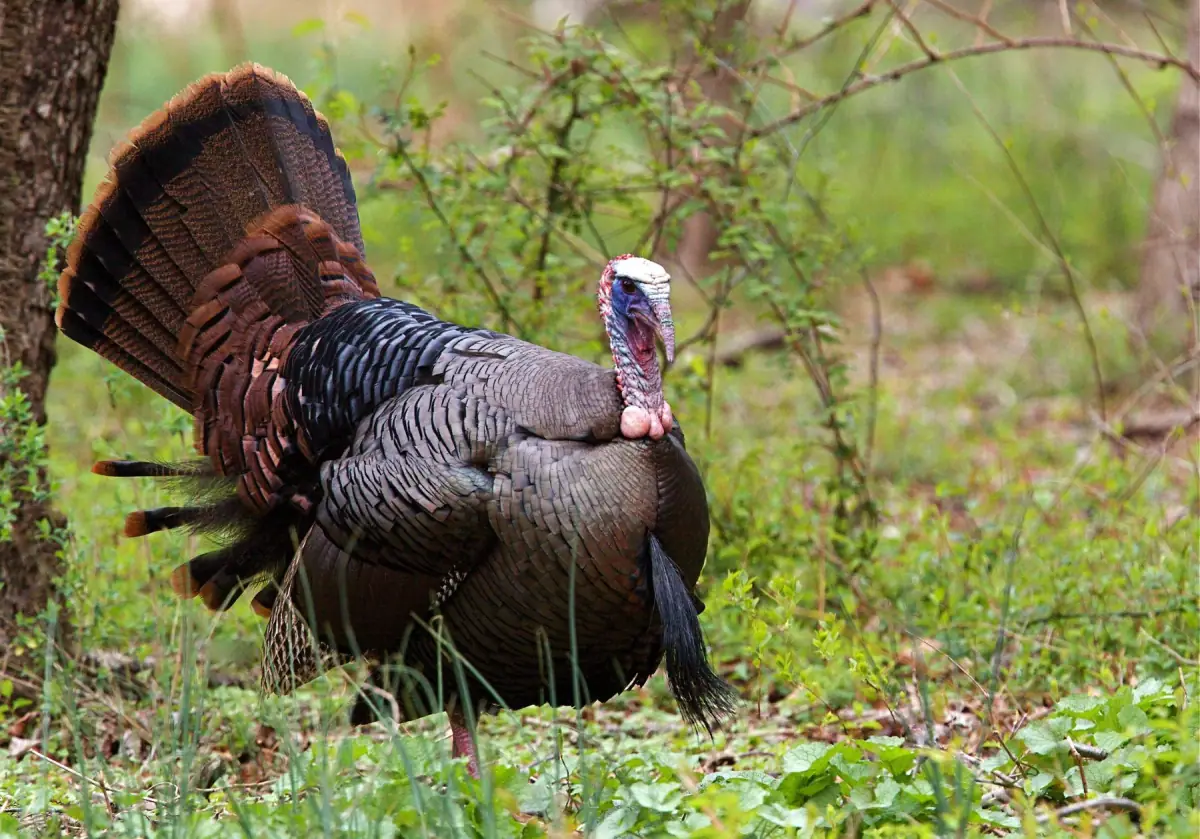
Eastern toms across the pine ridges and creek bottoms. Properties left undisturbed through the winter so birds are well-fed and roosting where they roosted last year.
Wood ducks
November · January season
Wood ducks year-round on the timbered water. The work is finding the natural sloughs and brakes a tract holds, then preserving them — open underneath, undisturbed overhead, quiet enough that birds come back to the same cypress year on year.
Who we serve
All the work between raw land and a place worth waking up for — done. Trails cut, plots planted, stands sited, feeders set, the whole property mapped. Yours to hunt, not to build.
Inquiries
Properties shown by appointment.
Tell us what you’re looking for — acreage, parish, primary game, the kind of land you’ve always dreamed of owning. We’ll respond with current and upcoming tracts that fit.